It is 4 p.m. in July. You step barefoot into the living room, and the floor feels like a warm skillet. Or maybe it is the end of a wet week, and the boards near the patio door have started to lift at the edges. Texas floors take a beating that homes in milder states rarely see.
Choosing the best flooring for hot climates is about more than looks. Heat makes materials expand. Humidity pushes moisture into wood, glue, and grout. Strong sun fades color through big windows. A concrete slab can also hold heat long after the sun goes down.
This guide covers the best flooring for Texas homes, with a close look at porcelain tile, ceramic tile, luxury vinyl plank, and engineered hardwood. You will see how each one handles summer heat, humidity, daily wear, and upkeep. You will also get a side by side comparison, room by room picks, and install tips that protect your money.
Flooring is one of the biggest line items in any remodel. If you are planning whole home remodeling in Central Texas and house renovations, the floor you pick will shape your budget, your schedule, and your comfort for 20 years or more. So let’s start with what heat actually does to a floor.
How Texas Heat and Humidity Affect Your Floors
Central Texas summers are long. Outdoor highs often pass 95 degrees from June through September, and many homes run the air conditioner for months without a break. That mix of intense heat, swings in humidity, and constant cooling puts stress on a floor in four main ways.
Thermal Expansion and Contraction
Every flooring material grows a little when it warms up and shrinks when it cools. This is called thermal expansion. The amount depends on the material. Ceramic and porcelain tile barely move. Vinyl and laminate move more. Wood reacts mostly to moisture, but temperature swings add to the effect.
Why does this matter at home? A floor that cannot move freely will push against walls, cabinets, and door frames. Over time, it can buckle, gap, or crack. A floor that has room to move, and a stable core, stays flat.
Sunlight makes this worse. A wide south or west facing window can heat the floor in its path far above the room’s air temperature. That zone expands more than the rest of the floor. You may see it as small gaps or lifted seams in the afternoon sun path.
Humidity and Moisture Movement
Texas humidity changes with the season and the weather. After a week of storms, indoor air can feel thick, even with the AC running. Wood is hygroscopic, which means it takes in moisture from the air and gives it back when the air dries out. It swells in damp air and shrinks in dry air.
The National Wood Flooring Association (NWFA) advises keeping indoor relative humidity between 30 and 50 percent, and temperatures between 60 and 80 degrees Fahrenheit, for wood floors to perform well. You can read more in this NWFA guidance on relative humidity and wood. A sealed, well-cooled house can hit that range. A house with poor airflow, leaky ducts, or a damp crawl space may not.
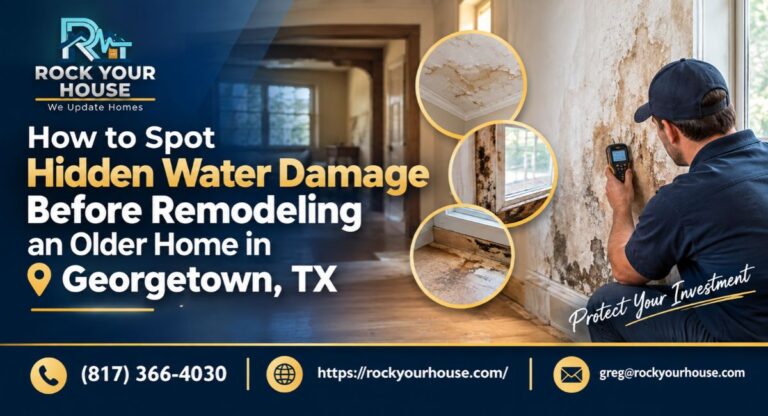
Moisture also reaches floors from below. If water vapor rises through a concrete slab, it can loosen glue, stain wood, and feed mold under vinyl. This is one reason to spot hidden water damage before remodeling. A floor installed over a damp problem will not last, no matter how good the product is.
Sun, UV Light, and Fading
Texas sun is strong. Ultraviolet light breaks down pigments and finishes. Hardwood can lighten or darken. Printed vinyl layers can fade. Natural stone and some tile glazes hold color better, but dark grout can still shift over time.
The fix is simple and cheap. Use window film, UV-filtering glass, blinds, or shades during peak hours. Move rugs now and then so wear and fading stay even.
Slabs, Soil, and Heat Retention
Most homes in Central Texas sit on concrete slabs. Many of those slabs rest on expansive clay soil. This soil swells when wet and shrinks when dry. The slab can move slightly with it. Rigid floors like tile can crack when the slab shifts, unless the installer uses a crack isolation membrane.
A slab also stores heat. It absorbs warmth during the day and releases it slowly at night. Some floor materials pass that heat to your feet. Others insulate. That is why the same room can feel cool with tile and warm with a thick vinyl or carpet.
These four forces set the rules for the rest of this guide. Any material you pick should handle expansion, moisture, sun, and slab movement without drama.
What to Look for in Flooring for Hot and Humid Climates
Before you compare products, set your filter. A floor that looks great in a showroom can fail in a Texas living room. Use these checks to narrow the field.
- Dimensional stability: The floor should barely change size with heat and moisture.
- Moisture resistance: It should shrug off spills, damp slabs, and humid summers.
- Surface temperature: It should not trap heat, and ideally it should feel cool underfoot.
- Durability: Dogs, kids, grit, and furniture all take a toll.
- Upkeep: Fewer special cleaners and no regular refinishing makes life easier.
Two more factors matter in real homes. The first is sun exposure. A room with a wall of glass needs a tougher choice than a shaded hallway. The second is your cooling habits. If you set the thermostat to 85 when you leave, the floor will see a bigger daily swing than one in a house kept at 76 all day. Wood and vinyl both prefer a steady indoor climate.
Also think about how long you plan to stay. A floor that costs more upfront but lasts 30 years can cost less per year than a cheaper one that needs replacing at year 12. That logic is part of any sound whole home remodel budget, where flooring is often one of the largest pieces.
With those filters ready, here is how the main materials measure up.
The Best Flooring Materials for Texas Heat, One by One
Porcelain Tile: The Top Pick for Heat and Humidity
Porcelain tile is fired at very high temperatures from dense clay. The result is a hard, nearly waterproof surface. Industry standards define porcelain as tile that absorbs less than 0.5 percent water. That is why it handles wet rooms, humid summers, and spills so well.
Porcelain also stays cool. Tile conducts heat away from your feet faster than wood or vinyl, so it feels cooler at the same room temperature. In a Texas July, that is a real comfort gain. Tile does not warp, cup, or swell. It does not fade in the sun. It also works over radiant heat systems if you ever want a warm floor in winter.
The downsides are fair to name. Porcelain is hard, so dropped dishes break and standing for long periods can tire your legs. Grout lines need sealing or an epoxy grout to resist stains and mildew. A cheap install over a moving slab can crack. Ask your installer about a crack isolation membrane, such as Schluter DITRA, and about large format tile, which needs a very flat surface.
Best for: kitchens, bathrooms, laundry rooms, entries, sunrooms, and open living areas with lots of glass.
Ceramic Tile: A Budget Friendly Cousin
Ceramic tile is softer and more porous than porcelain. It usually costs less and is easier to cut. It stays cool and does well in dry indoor areas such as bedrooms, hallways, and walls. For floors in wet or high traffic spaces, porcelain is the safer pick because it resists chips and absorbs less water.
Ceramic is a good match when the budget is tight and the room sees light use. Choose a rating suited to floors, not wall tile. Check the label.
Best for: guest rooms, low traffic hallways, and covered porches that stay dry.
Luxury Vinyl Plank: Waterproof and Warm to Live With
Luxury vinyl plank (LVP) has become the go to choice for many Texas remodels. It looks like wood, handles water well, and feels softer than tile. Most products today have a rigid core. The two common types are stone plastic composite (SPC) and wood plastic composite (WPC). SPC is denser and more stable in heat. WPC feels a bit softer underfoot.
Heat is the main thing to watch with LVP. Vinyl can expand when sunlight bakes a section of floor through a large window. Manufacturers often set limits on surface temperature and require that you keep the home climate controlled. Read the warranty before you buy. Use blinds or window film where the sun lands. Leave the small expansion gap along walls, and do not pin the floor under heavy cabinets or islands.
LVP is not as cool underfoot as tile. It also dents under heavy point loads like furniture legs, and cheap lines can look plasticky. A higher wear layer and a quality core make a clear difference.
Best for: living rooms, bedrooms, kitchens, and busy family spaces where comfort and water resistance both matter.
Engineered Hardwood: Real Wood With Better Stability
Engineered hardwood has a real wood top layer over a plywood core. The layers run in different directions, so the board resists swelling and shrinking better than solid hardwood. That makes it a smarter wood option for Texas, especially on a concrete slab.
Still, wood is wood. It reacts to humidity swings. Keep indoor humidity steady, ideally in the 30 to 50 percent range. Moisture test the slab before install. Let the planks acclimate in the home as the maker directs. Use a glue down or floating method that suits your slab and product. Avoid engineered wood in full bathrooms, laundry rooms, or any space that sees standing water.
The payoff is warmth, beauty, and resale appeal. Many buyers still look for real wood floors in living areas and primary suites.
Best for: living rooms, dining rooms, primary bedrooms, and studies with steady climate control.
Other Options Worth a Quick Look
A few more materials come up often in hot climate homes.
- Polished or stained concrete: Cool, tough, and low cost if the slab is in good shape. It can crack and shows wear in some finishes.
- Natural stone: Travertine, slate, and limestone stay cool and look rich. They need sealing and can stain.
- Laminate: Budget friendly, but many types swell if water reaches the edges. Water resistant versions help, but they are not true waterproof floors.
- Solid hardwood: Beautiful, but it moves the most with humidity. It is a risky fit on a slab in Texas.
- Carpet: Soft and quiet, but it traps heat and humidity and can hold allergens. Use it sparingly, if at all, in the hottest or dampest spaces.
Flooring Comparison for Heat, Humidity, Durability, and Comfort
The table below puts the main options side by side. Ratings reflect typical products in Texas conditions. Individual brands vary, so use this as a starting filter, not a final verdict.
| Material | Heat performance | Humidity resistance | Durability | Maintenance | Comfort underfoot | Relative cost |
|---|---|---|---|---|---|---|
| Porcelain tile | Excellent, stays cool | Excellent | Excellent | Low, grout needs care | Hard, cool | Mid to high |
| Ceramic tile | Excellent, stays cool | Good | Good in dry rooms | Low, grout needs care | Hard, cool | Low to mid |
| Luxury vinyl plank (SPC core) | Good with sun control | Excellent | Very good | Low | Softer, neutral | Low to mid |
| Engineered hardwood | Fair to good, needs steady HVAC | Fair | Good | Moderate | Warm, natural | Mid to high |
| Laminate | Fair | Fair | Good | Low | Firm, neutral | Low |
| Polished concrete | Excellent, stays cool | Good | Very good | Low, needs sealing | Hard, cool | Low to mid |
How to Read This Table
Porcelain wins on almost every hard measure. It is the best fit when the room is wet, sunny, or busy. LVP gives the best balance of comfort, water resistance, and cost. Engineered hardwood trades some resilience for warmth and resale value.
No single floor is best everywhere. Many Texas homeowners mix materials: tile in wet and high sun areas, LVP or engineered wood in living and sleeping spaces. If you want the same look throughout, you can choose a wood look porcelain plank and a matching wood look LVP. Both can share similar color tones across rooms.
Room by Room: What Works Best in Texas Homes
The best floor for one room can be the wrong floor for the next. Here is a practical map you can use as you plan.
| Room | Best pick | Strong alternative | Why it works |
|---|---|---|---|
| Kitchen | Porcelain tile | SPC luxury vinyl plank | Handles spills, heat from appliances, and heavy use |
| Living room | Luxury vinyl plank | Engineered hardwood | Comfortable for long hours, good with open layouts |
| Primary bedroom | Engineered hardwood | Luxury vinyl plank | Warm look, quiet, steady climate control |
| Secondary bedrooms | Luxury vinyl plank | Ceramic tile | Tough with kids, easy to clean |
| Bathrooms | Porcelain tile | Waterproof SPC vinyl | Near zero water absorption, slip resistant finishes available |
| Entry and mudroom | Porcelain tile | Natural stone | Handles grit, mud, and sun through the door |
| Laundry room | Porcelain tile | Luxury vinyl plank | Safe if a hose leaks or an appliance overflows |
| Sunroom or glass heavy space | Porcelain tile | Polished concrete | No fading, no heat warping |
| Home office | Engineered hardwood | Luxury vinyl plank | Good looks and steady indoor air |
Kitchens
A kitchen faces heat, grease, spills, and dropped pans in one small space. Porcelain tile is the most forgiving. If you want a softer feel, SPC vinyl plank is a strong second. Your floor choice should also pair well with counters and cabinets. If you are weighing finishes, this comparison of quartz vs granite countertops can help you plan a cohesive look. For full planning support, see kitchen remodeling in Texas options and timelines.
Bathrooms
Bathrooms need floors that handle steam, splashes, and cleaning chemicals. Porcelain tile with a textured finish is the safest bet. Smaller tiles, such as mosaics, offer more grip on shower floors because they have more grout lines. Check the slip rating on any tile you choose. If you are considering a full redo, bathroom remodeling in Georgetown Texas often begins with the floor and the waterproofing beneath it.
Living Areas and Bedrooms
Here, comfort matters. LVP and engineered hardwood feel warmer than tile and cut echo. In rooms with large west facing windows, add UV film or shades. In open plan homes, avoid changing materials at every doorway. A continuous floor looks cleaner and reduces transitions where expansion gaps can show.
Entries, Patios, and Sunrooms
These areas see the most sun and the most dirt. Porcelain tile rated for interior use will shrug off both. If the space opens to a patio, choose a slip resistant finish, since wet feet are common. Outdoor rated porcelain pavers work well for covered patios and match some indoor styles.
Garage Conversions and Add Ons
If you convert a garage or build an addition, test the slab for moisture first. Older garage slabs often lack a vapor barrier. Tile or a quality moisture mitigation system with LVP usually works best. Skip engineered wood unless the slab passes moisture testing with room to spare.
Installation Details That Decide How Long Your Floor Lasts
A great product can still fail with a poor install. In hot, humid regions, the steps below make the biggest difference.
Test the Slab and Prep the Subfloor
Ask for a moisture test before any flooring goes down. Common methods include calcium chloride tests and in-slab relative humidity probes, which follow ASTM standards. The results tell you if the slab needs a moisture barrier. Skipping this step is the most common cause of lifted vinyl, cupped wood, and failed glue.
The slab should also be flat and clean. Large format tile and long LVP planks show every dip. Grinding high spots and filling low ones takes time, but it prevents hollow spots and lippage later.
Let the Material Acclimate
Wood and some vinyl products need time inside the home before install. This lets them adjust to the room’s temperature and humidity. The time varies by product, so follow the maker’s instructions. Run the air conditioning at normal living temperatures during this period. Do not install a floor in a house that is still hot and humid with the AC off.
Respect Expansion Gaps
Floating floors, such as most LVP and engineered wood, need a small gap around the edges. Trim and baseboards hide it. Do not nail or glue a floating floor to the subfloor in a way that blocks movement. Keep heavy cabinets and kitchen islands off the floating plank when possible, or follow the maker’s rules for them.
Use Crack Isolation Under Tile
Because Central Texas soil moves, a crack isolation membrane under tile is cheap insurance. It lets the slab shift a little without telling the tile about it. Pair it with proper movement joints in large rooms and at doorways.
Control Indoor Climate
Floors last longer in a stable home. Set a steady thermostat, run ceiling fans, and keep humidity in a comfortable range. If your house stays damp, consider a whole house dehumidifier. If your house gets very dry in winter, a humidifier can help wood floors avoid gaps. A basic hygrometer costs little and tells you what is going on.
Daily Care and Maintenance
Upkeep is simple with the right plan:
- Tile: Sweep and mop weekly. Seal cement grout once a year or use epoxy grout.
- LVP: Use a pH neutral cleaner. Skip steam mops, which can drive heat and moisture into seams.
- Engineered wood: Wipe spills fast. Use felt pads on furniture. Avoid wet mops.
- All floors: Use door mats to cut grit and place rugs with breathable backing.
Plan the Budget and the Schedule
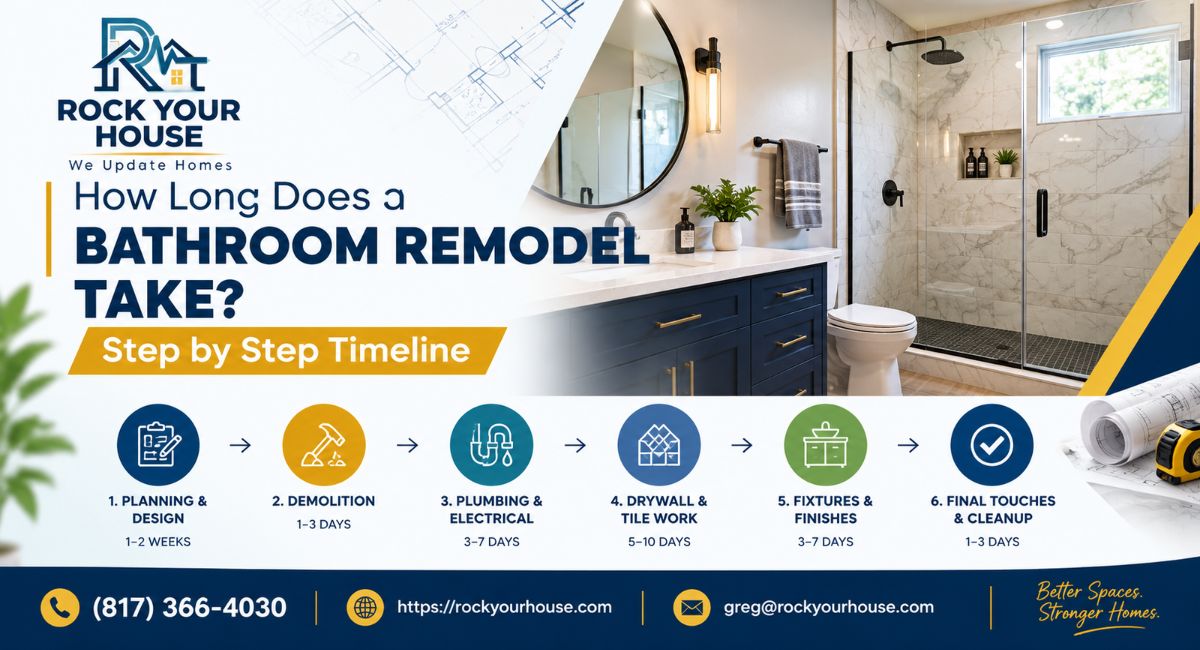
Flooring costs vary with the material, room size, layout, and prep work. Tile usually costs more to install than vinyl because it takes more labor and longer curing times. Prep work, such as leveling or moisture barriers, can change the total more than the product itself. That is why a good estimate includes labor, materials, removal of the old floor, and subfloor work.
It also helps to think in terms of project scope. If your floors are worn throughout, a remodel one room or renovate the whole house comparison can show when it makes sense to do everything at once. Doing floors across the home in one phase keeps the look consistent and avoids repeated dust and disruption.
FAQs About the Best Flooring for Hot Climates in Texas Homes
What is the best flooring for hot climates?
Porcelain tile is the strongest all around choice. It handles heat, humidity, spills, and sun without warping or fading. Luxury vinyl plank with a rigid core is a close second for living spaces, since it adds comfort and water resistance at a lower cost.
What flooring stays cool in summer?
Tile, natural stone, and polished concrete feel coolest. They conduct heat away from your feet. Wood and vinyl feel closer to room temperature. Carpet feels warmest because it insulates.
Is luxury vinyl plank a good choice for Texas heat?
Yes, in most homes. Choose an SPC core product, keep the home climate controlled, and shade windows that cast direct afternoon sun on the floor. Check the manufacturer’s warranty for surface temperature limits.
Can I use hardwood in a Texas home?
Engineered hardwood is the safer option. Solid hardwood moves more with humidity and is risky over a concrete slab. Any wood floor does best with steady indoor humidity and a moisture tested subfloor.
Does tile crack in Texas?
It can, if the slab moves and the installer skips crack isolation. Quality prep, a membrane, and proper movement joints cut that risk sharply.
What flooring is best for a house with a lot of windows?
Porcelain tile or polished concrete handles strong sun best. If you prefer a warmer look, choose a wood look porcelain plank or use UV film and shades with LVP or engineered wood.
Final Thoughts: Pick the Floor That Fits Your Rooms, Not Just Your Style
Texas heat is hard on floors, but the right choices make a big difference. Porcelain tile leads for wet, sunny, and busy areas. Luxury vinyl plank gives a smart balance of comfort, water resistance, and value. Engineered hardwood brings warmth to spaces with steady climate control. Ceramic tile, concrete, and stone fill useful roles where the budget or style calls for them.
Your next steps are simple. Walk each room and note its sun exposure, moisture risk, and daily use. Match the material to those facts. Ask for a slab moisture test. Confirm acclimation, expansion gaps, and crack isolation in the install plan. Then lock in a budget that covers prep work, not just the product.
If you want expert help choosing and installing flooring across your home, the team at Rock Your House is ready to talk. We are a home remodeling company in Central Texas, and we plan floors as part of the whole project so materials, schedule, and budget work together. Reach out to Rock Your House to start your estimate and get a floor that stays cool, stable, and beautiful through every Texas summer.